
CS style
DISC Assessments | Values Assessments | The How and WHY of personal success
 Rating 4.9/5 by 1200 + Professionals
The CS style within DISC reflects a behavioral pattern shaped by caution and steadiness. People with this particular blend of DISC tend to approach things with a steady hand, put a lot of stock in stability and clear expectations, and tend to thrive in a low-pressure environment. In organizational settings, the CS style often appears in roles where getting it right is more important than racing to get things done or being the one in the spotlight.
In DISC assessments, the CS style represents a blend rather than a single dominant trait. This combination brings together the analytical nature of C with the supportive, patient tendencies of S. When you take a modern online DISC personality test, the CS style can give you some real insight into how someone thinks, interacts, and contributes to a team over time.
DISC+Plus Profiles delivers these insights through unlimited online assessments, clear pricing, and structured reporting that removes per-report limits and supports hiring, development, and leadership programs at scale.

What do the ‘C’ and the ‘S’ in DISC mean?
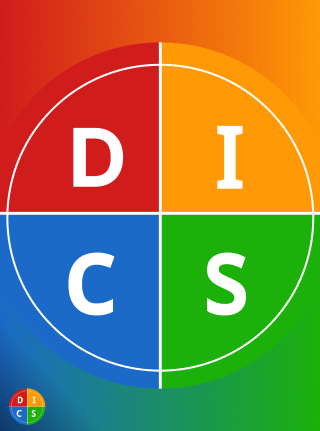
The C in DISC refers to Cautious behavior. This dimension focuses on accuracy, logic, structure, and careful decision-making. Individuals high in C often rely on facts, systems, and standards to guide their work.
The S represents Stabilizing behavior. This dimension reflects patience, reliability, and a preference for predictable environments. People high in S value cooperation, long-term relationships, and steady progress.
When combined, these dimensions form the CS DISC personality, marked by thoughtful action, dependable performance, and a measured response to change.
What is a DISC style blend?
Most individuals do not operate from a single DISC dimension. A DISC style blend reflects how two or more dimensions interact. In the case of the CS personality type, caution shapes decision-making, while steadiness influences how relationships and routines are maintained.
Understanding this blend helps organizations move beyond labels and gain usable insight. It also explains why CS individuals often appear reserved yet deeply committed to quality and team cohesion.
As blended styles offer deeper insight into real workplace behavior, many organizations view the DISC assessment cost as an investment in clearer hiring and development decisions rather than a simple testing expense.
Dot Placement
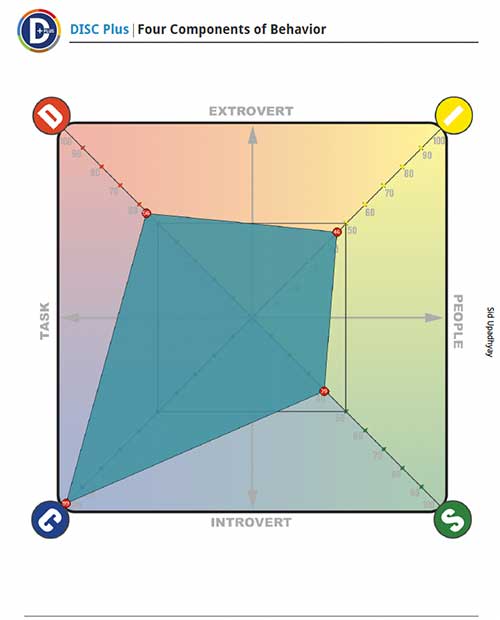
In DISC reporting, dot placement visually shows where an individual’s scores fall across the four dimensions. In the CS style, the dots for C and S typically appear above the midline, while those for D and I are lower.
This placement highlights a preference for structure, dependability, and thoughtful pacing. In a DISC profile CS, dot placement helps leaders and coaches quickly understand how someone prefers to work and communicate.
How do you get typed as a CS style in DISC?
A CS style emerges when both C and S scores rank higher than D and I. This result appears consistently across validated instruments used in a DISC assessment CS.
This pattern is identified through a structured DISC personality assessment test that measures consistent behavioral tendencies across a range of work-related situations.
Typing does not suggest limitation. It simply reflects behavioral preferences observed across situations. People may shift behavior under pressure, yet the CS pattern remains a reliable baseline for coaching, hiring, and development decisions.
DISC CS style characteristics
The DISC CS personality blends logic with patience. These individuals value clarity in expectations, consistency in how work gets done, and collaboration that stays respectful and steady.
Common Traits
- Careful and methodical
- Dependable and steady
- Detail-aware without being rushed
- Loyal to teams and processes
Motivations
- Clear expectations
- Stable systems
- Time to evaluate information
Priorities
- Accuracy over speed
- Long-term reliability
- Predictable workflows
What They Value
- Trust
- Clear standards
- Respectful communication
Stressors in the Workplace
For the CS style, stress tends to surface when timelines change without explanation, decisions feel rushed, or expectations shift mid-process. That lack of clarity can slowly drain both focus and confidence.
Teams that complete a DISC training certification are better prepared to recognize these stress triggers early and adjust expectations before pressure starts to affect performance.
Fears
CS individuals may worry about making mistakes, being unprepared, or being forced into conflict without time to think. These concerns influence how they engage with authority and change.
How They Influence Others
Influence from a CS personality type tends to be quiet and consistent. Others trust them because they follow through, maintain standards, and support team stability.
How They Handle Conflict
Conflict is approached cautiously. CS styles prefer calm discussion, clear facts, and a resolution that preserves working relationships. When emotions escalate, their response is more likely to be withdrawal than active engagement.
May Need to Work On
- Speaking up sooner
- Adapting faster to sudden change
- Avoiding over-analysis

CS-style managers
Managers with a CS DISC personality create structured, dependable teams. They set clear expectations and value fairness. Their challenge may involve moving decisions forward when certainty feels incomplete.
Organizations that want this level of consistency across teams often buy DISC assessment access so managers can understand CS preferences in advance and adapt their approach before challenges arise.
Working well with DiSC CS-style people
Success with CS styles comes from preparation and clarity. Share details in advance, explain the reasons for any changes, and allow time for reflection. Trust grows when consistency is maintained over time.
Communicating with CS styles
Communication works best when it stays calm, factual, and well-organized. Pressure tactics tend to shut the conversation down rather than move it forward. Written follow-ups often help reinforce understanding of the CS style.
CS styles in meetings
In meetings, CS individuals listen closely and contribute once they feel confident in the discussion. Creating space for their input leads to stronger decisions and fewer missed risks.
A well-designed CS DISC profile supports workforce planning without limiting growth or potential.
Problem-solving with CS styles
Problem-solving with CS styles involves step-by-step evaluation. They prefer defined parameters and data-backed options rather than rapid brainstorming without structure.
Do CS-style people make good salespeople?
Traditional high-energy sales roles may not suit every CS personality type, but consultative, relationship-based sales often do. Roles tied to long sales cycles, account management, or compliance-driven offerings align with their strengths. This insight also applies when reviewing DISC personality styles across sales teams.
Understanding DISC CS personality type careers helps organizations place people where accuracy, reliability, and calm decision-making matter most. Common paths include operations, quality assurance, finance support, HR administration, research, and regulated industries.

Similar styles: C and SC
The CS style sits between two related patterns.
The C style
High C individuals focus strongly on logic, systems, and precision. Compared to CS, they may show less emphasis on harmony and long-term relationships.
The SC style
SC individuals lean more toward steadiness than caution. They often place people ahead of the process, while CS balances both.
Other styles
Other DISC patterns include:
- DISC D Styles, who emphasizes results
- DISC I Styles, who focuses more on people
- DISC S Styles, who emphasizes stability
- DISC C Styles, who emphasizes accuracy
Each brings a different contribution to team performance, leadership balance, and communication flow.
FAQ’s
What is a CS style?
What is a CS personality?
A CS personality prefers structure, dependable routines, and thoughtful communication while maintaining supportive relationships.
What is the rarest DiSC profile?
Rarity varies by population, role, and context. Blended profiles such as CS often appear less frequently in high-pressure sales environments.
What is a SC style personality?
What is a CS in psychology?
What are the weaknesses of the DISC profile C?
By pairing validated assessments with unlimited access, transparent pricing, and practical reporting, DISC+Plus Profiles supports organizations that rely on people’s decisions at scale. The CS style, when understood and applied correctly, strengthens communication, reduces friction, and supports teams built for long-term performance.