
ID style
DISC Assessments | Values Assessments | The How and WHY of personal success
 Rating 4.9/5 by 1200 + Professionals
The ID style represents a high-energy blend within the DISC model, marked by strong drive paired with social confidence. People with an ID style bring urgency, persuasion, and visible momentum into workplaces that move fast and reward initiative. They are often the voices that rally teams, push decisions forward, and keep attention on forward motion rather than prolonged analysis.
Within organizational settings, the ID style frequently appears in leadership roles, sales environments, consulting roles, and growth-stage companies. The combination of influence and decisiveness shapes how these individuals communicate, motivate others, and respond under pressure. Understanding the ID style helps teams reduce friction, improve collaboration, and place people in roles that match how they naturally operate.
Digitally delivered DISC systems now make it easier for organizations to identify ID styles at scale, without usage or reporting limits. That shift matters for hiring, development, and internal communication, where consistency and speed matter.
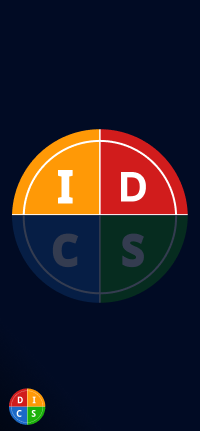
What do the ‘I’ and the ‘D’ in DISC mean?
An ID style combines these two dimensions. The result is someone who moves quickly and brings others along. The ID DISC personality shows confidence in direction and comfort speaking up, often at the same time.
What is a DISC style blend?
A blended style explains why two people with similar roles may behave very differently. One may lean toward stability, while another may lean toward precision. The ID personality type stands out for its influence on pace, visibility, and comfort, which, in turn, shape outcomes.

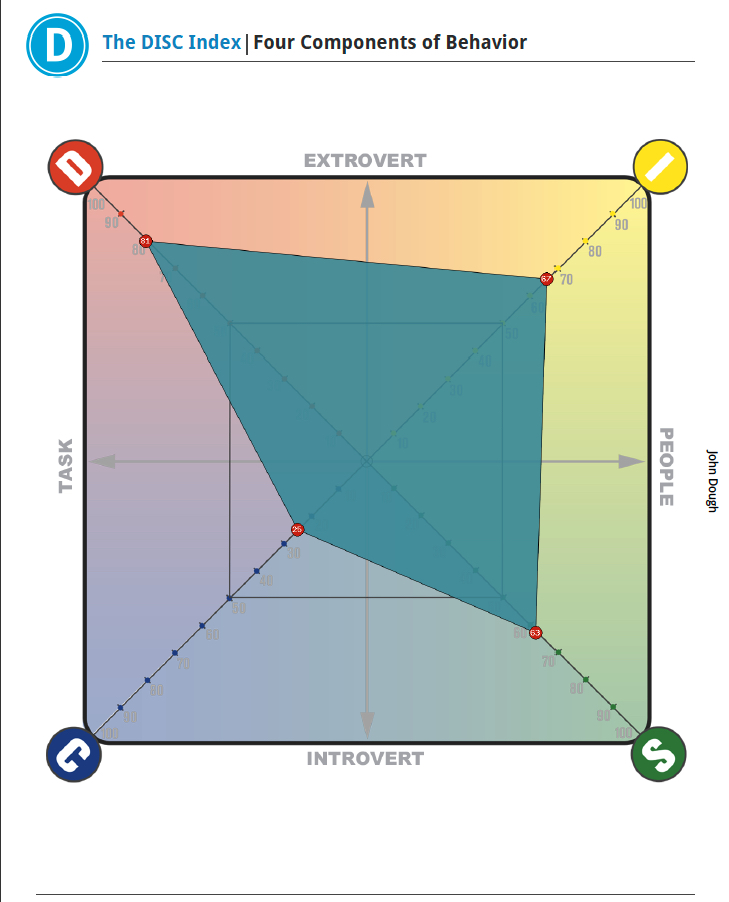
Dot Placement
Small shifts in dot position can change how assertive or expressive an ID DISC profile appears, which is why digital reporting matters. Clear visuals help teams read results accurately without guesswork.
How do you get typed as an ID style in DISC?
An ID style emerges when assessment responses consistently reflect fast decision-making, comfort leading conversations, and motivation through interaction. Modern platforms assess this through pattern-based responses rather than isolated questions.
A reliable DISC assessment ID result depends on validated scoring and stable norm groups. Organizations that want consistent insight at scale often buy DISC assessment access through a single digital platform, allowing hiring teams, coaches, and leaders to apply results confidently across recruitment, development, and team initiatives without per-report limitations.
DISC ID style characteristics
Common Traits
- Fast verbal processing
- Comfort taking initiative
- Persuasive communication
- Competitive drive
Motivations
- Visible progress
- Recognition tied to results
- Influence over direction
Priorities
- Speed over perfection
- Momentum over debate
What They Value
- Autonomy
- Opportunity to lead
- Social validation tied to outcomes
Stressors in the Workplace
- Slow decision cycles
- Excessive rules
- Over-analysis
Fears
- Loss of control
- Being ignored
How They Influence Others
- Through energy and confidence
- By framing ideas around action
How They Handle Conflict
- Directly and openly
- With a focus on resolution
May Need to Work On
- Listening depth
- Patience with process

ID-style managers
Managers with an ID style often create a sense of urgency and motivation. Teams feel energized but may struggle if expectations shift too quickly. Clarity, structure, and follow-up support stronger results when an ID style leads others.
Working well with DiSC ID-style people
Working with an ID style requires responsiveness and focus. Conversations work best when they stay purposeful. When discussions drag on without a clear takeaway, attention wanes, and the message weakens.
That’s where DISC training certification proves useful for organizations working closely with ID-driven teams. It equips managers and coaches with practical skills to interpret profiles accurately and apply behavioral insights in real conversations, feedback, and day-to-day leadership decisions.

Communicating with ID styles
Communication with ID style professionals benefits from confidence and brevity. Lead with conclusions, then support them. This applies across coaching, feedback, and performance discussions involving an ID DISC personality.
ID styles in meetings
In meetings, the ID style often speaks early and shapes direction. Allow space for contribution while balancing input from quieter styles. Structured agendas help keep momentum without crowding discussion.
Problem-solving with ID styles
Problem-solving with an ID style works best when options are presented clearly. Open-ended debate slows momentum. This preference explains why DI style and ID professionals excel in environments that reward action.

Do ID-style people make good salespeople?
Yes. The ID personality type aligns well with sales, consulting, and business development. The ability to connect quickly and move conversations forward supports performance, especially in relationship-driven markets. Many career guides reference DISC ID personality type careers in client-facing roles.
This alignment also explains why many organizations reassess DISC assessment cost, choosing flat-rate digital access that supports high-volume sales teams and leadership programs without limiting usage or insight.
Similar styles: I and DI
The I style
The I style focuses on enthusiasm and connection. Compared to the ID style, it places less emphasis on control and more on relationships.
The DI style
The DI style leads with dominance before influence. While similar in pace, DI professionals often prioritize outcomes more than interaction.
Other styles
Other profiles include:
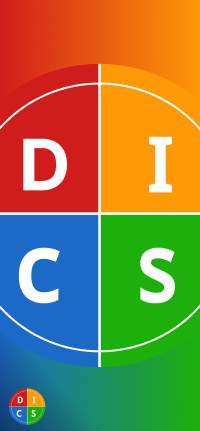
- DISC D Styles, who emphasizes results
- DISC I Styles, who focuses more on people
- DISC S Styles, who emphasizes stability
- DISC C Styles, who emphasizes accuracy
Each plays a distinct role in how teams function, shaping communication, pace, and decision-making across the group under the wider umbrella of DISC personality styles.

FAQs
What is the ID style in DISC?
The ID style combines Interactive and Decisive traits, reflecting fast-paced behavior paired with social confidence.
What are the 4 disc styles?
They include Dominant, Interactive, Stabilizing, and Cautious, each reflecting distinct behavioral tendencies.
What is DISC ID?
A DISC profile ID refers to a blended profile in which influence and decisiveness shape how someone works and communicates.
What is the rarest DISC style?
Rarity varies by population and role context. Some blends appear less often in the general workforce data.
What DISC type is a good leader?
Leadership effectiveness depends on context. The ID style often performs well in growth and change-driven environments.
Can DISC help with career choices?
Yes. A validated DISC personality assessment test connects behavioral preferences with the real demands of a role, giving individuals and organizations clearer direction when making career decisions.