
DI Style
DISC Assessments | Values Assessments | The How and WHY of personal success
 Rating 4.9/5 by 1200 + Professionals
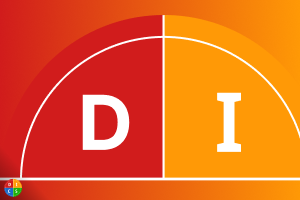
The DI Style is where drive and influence intersect, with people at its core who bring a whole lot of energy and confidence to their work. They are known for moving quickly, saying what needs to be said in a clear, no-nonsense way, and getting others on board with their vision. You see this style pop up in organizations that have to make tough decisions on a grand scale, where leadership pipelines, sales teams, and change initiatives all need to be able to move fast and persuade others.
From a behavioral point of view, the DI personality type boils down to how someone likes to act when they’re solving problems, engaging others, and pursuing outcomes. Digital assessments make this clarity accessible without the friction of legacy pricing models or report limits. DISC+Plus Profiles delivers that access through unlimited, online delivery paired with certification and practical reporting.
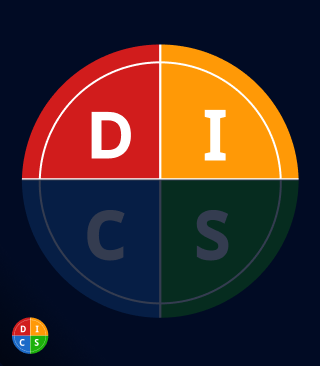
What do the ‘D’ and the ‘I’ in DISC mean?
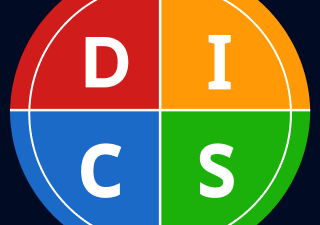
DISC measures observable behavior across four patterns.
- D (Decisive) focuses on challenge, pace, and results.
- I (Interactive) centers on persuasion, enthusiasm, and connection.
When combined, these elements form the DI DISC personality, marked by assertive communication and outward energy. The DISC DI blend captures how someone pushes forward while engaging others rather than working quietly behind the scenes.
What is a DISC style blend?
Most people do not fit cleanly into one category. What shows up instead is a blend, shaped by how two or more patterns interact, with one usually standing out more than the rest. The DISC DI personality indicates that decisiveness leads, supported by influence. This differs from pure D or pure I, which show narrower behavioral ranges.
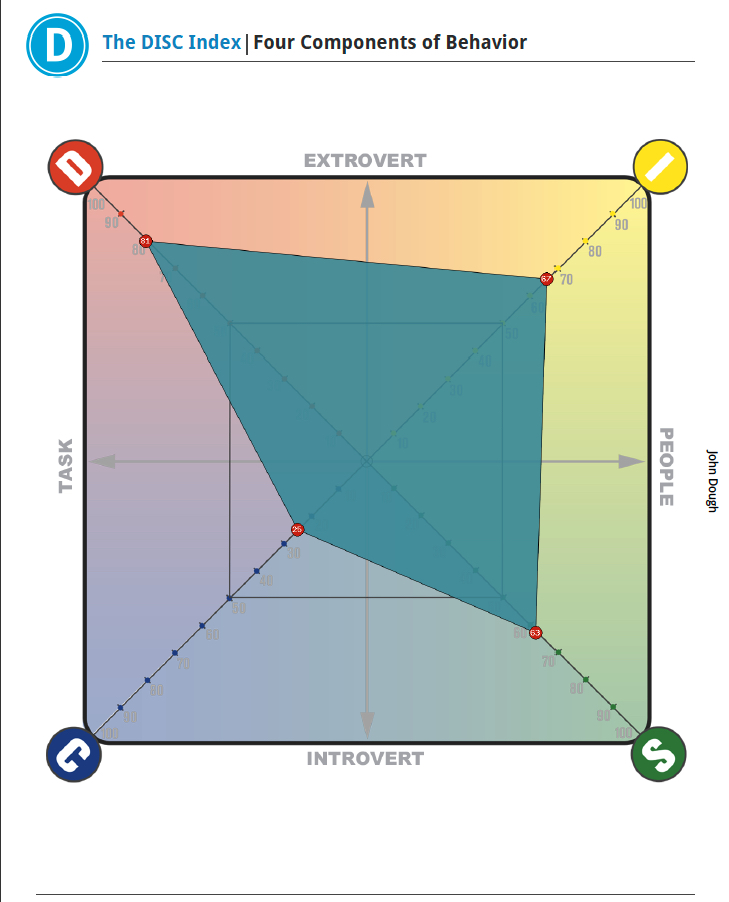
Dot Placement
How do you get typed as a DI style in DISC?
Typing occurs through response patterns on a validated behavioral instrument. When answers consistently reflect fast decision-making, confidence, and people engagement, the system identifies a DISC assessment DI outcome. Digital delivery removes per-report barriers while preserving psychometric rigor.
A DISC personality assessment test records these response patterns through a structured online experience, turning everyday behavior into practical understanding that hiring teams, leaders, and coaches can use with confidence.

DISC DI style characteristics
Common Traits
- Fast pace and high energy
- Direct communication
- Comfort with visibility and authority
Motivations
- Winning challenges
- Recognition for impact
- Moving projects forward
Priorities
- Speed over perfection
- Momentum over consensus
What They Value
- Autonomy
- Influence
- Clear outcomes
Stressors in the Workplace
- Slow decision cycles
- Excessive rules
- Overanalysis
Fears
- Loss of control
- Being ignored
How They Influence Others
They persuade through confidence, storytelling, and urgency. The DI style often sets the emotional temperature of a room.
How They Handle Conflict
May Need to Work On
- Listening depth
- Patience with process
- Follow through on details
DI-style managers
Managers with a DI personality type lead from the front. They set bold direction, rally teams, and expect movement. Their strength lies in mobilizing action quickly. Risk appears when pace overrides clarity or when quieter voices go unheard.
Working well with DISC DI-style people
- Be prepared and concise
- Focus on outcomes
- Allow room for initiative
Clear expectations reduce friction. Structured updates keep momentum without slowing progress. For organisations applying these insights at scale, many choose to buy DISC assessment tools so profiles can be administered consistently across teams while keeping interpretation grounded in real behavior rather than assumptions.


Communicating with DI styles
Communication works best when it stays brief, confident, and focused on action, with data serving as support rather than the headline, and impact shaping how the message is delivered. This is central to effective DISC DI communication training.
When organisations start applying this communication style more broadly, DISC assessment cost often becomes part of the conversation, especially when balancing scale, frequency of use, and long-term value across teams.
DI styles in meetings

Problem-solving with DI styles
They move from the problem straight into action, with little patience for extended discussion. Clear options work better than open-ended debates, keeping the focus on decisions and next steps. This approach aligns with how a DISC assessment DI profile processes information.
For leaders and practitioners who want to apply this approach consistently, DISC training certification helps build the skill to guide DI styles effectively without slowing momentum or diluting decision-making.
Do DI-style people make good salespeople?
Yes, often. The blend of drive and influence suits prospecting, presentations, and negotiation. When supported by structure, the DI DISC personality performs well in revenue roles.

Similar styles: D and iD
The DI blend differs from pure D, which focuses more on control, and from iD (also called ID style ),where influence leads and decisiveness supports.
-
The D style
Outcome-driven, forceful, less relational.
-
The ID style
Relationship-first, expressive, with secondary drive.
Other styles
- DISC D Styles emphasize results
- DISC I Styles emphasize people
- DISC S Styles emphasize stability
- DISC C Styles emphasize accuracy
Together, these form the full range of DISC personality styles.
FAQs
What is a DI personality type?
A DI personality type reflects high decisiveness paired with strong influence. It describes how someone prefers to act and communicate, not skill or experience.
What is the rarest disc profile?
Rarity varies by population and role. Profiles shift based on context rather than a fixed distribution.
What is a DI assessment?
A DI DISC assessment identifies individuals whose dominant behavioral blend combines D and I patterns.
What are the 4 DISC personality styles?
They are Decisive (D), Interactive (I), Stabilizing (S), and Cautious (C).
What is a DI profile?
A DI profile explains how drive and influence interact in daily behavior, leadership, and teamwork. It is commonly used in hiring, coaching, and development programs.
By removing report limits and legacy pricing, DISC+Plus Profiles gives organizations a modern path to behavioral clarity. The result is practical insight, delivered online, ready for teams that operate at scale.