
DISC Plus Assessments
DISC Assessments | Values Assessments | The How and WHY of personal success
 Rating 4.9/5 by 1200 + Professionals
Hiring decisions, leadership development, and team alignment all improve when organizations understand how people think, communicate, and stay motivated at work. Traditional DISC tools offer a starting point, but many HR teams and managers need deeper insight beyond surface-level behavior.
That is where the DISC plus assessment becomes valuable. By combining behavioral patterns with personal motivators and values, DISC Plus Profiles provides organizations with practical insights they can apply across hiring, coaching, and long-term workforce development.
This page explains how DISC Plus works, how it expands on classic DISC, and why many organizations now rely on a more complete behavioral framework rather than a standalone DISC Personality Test.


Understanding DISC Plus Assessments
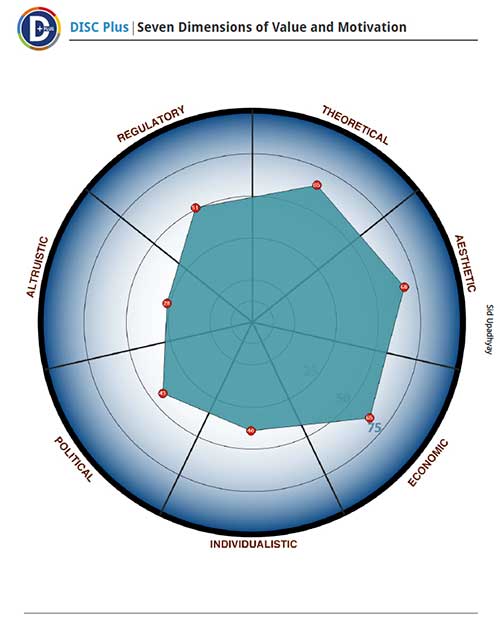
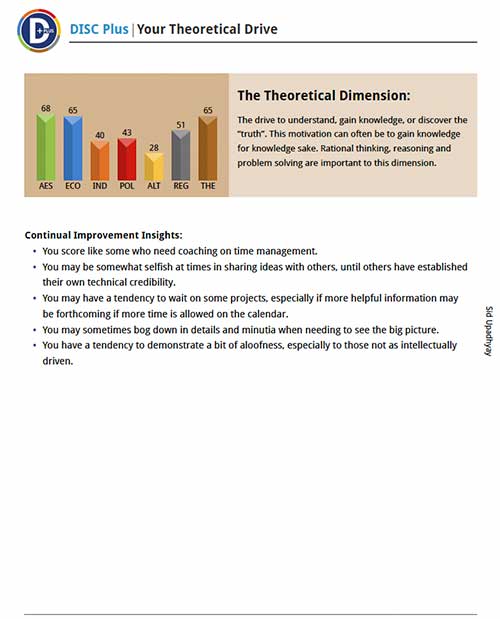
DISC Plus assessments were designed for organizations that want clarity about both behavior and motivation. Instead of stopping at how someone acts under pressure or during collaboration, DISC Plus examines what drives those actions. This broader lens supports better communication, stronger leadership conversations, and clearer role alignment.
Many professionals first encounter DISC when they ask, “What is DISC, and how does it help teams work better together?” DISC Plus builds directly on that foundation while addressing the gaps that limit the basic results of DISC.
How DISC Plus Builds on Traditional DISC
Traditional DISC focuses on observable behavior. DISC Plus expands that view by adding values and motivators. This creates a more complete picture of performance patterns, communication preferences, and workplace decision-making.
A DISC plus test looks at behavior and motivation together, helping leaders understand how people approach tasks and why certain environments bring out their best work.

What Is DISC Plus Assessment?
Organizations use this assessment during onboarding, leadership programs, coaching engagements, and succession planning when they need insight that stays relevant over time.
DISC Personality Styles Explained
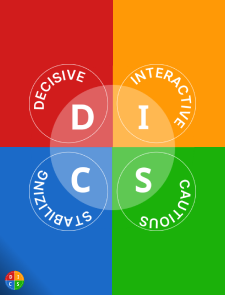
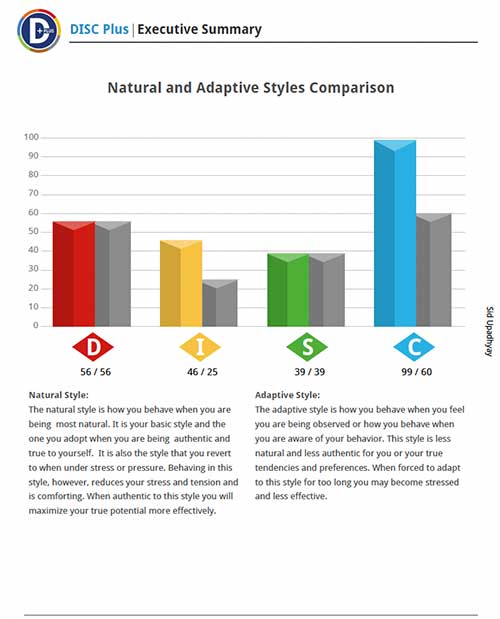
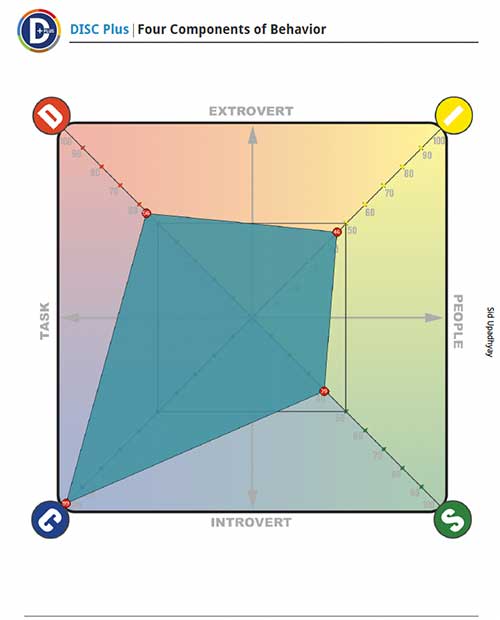
At its core, DISC Plus still reflects the four classic DISC personality styles. Each style describes a pattern of behavior that appears consistently across roles and industries.

Decisive (D) Personality Style
Decisive individuals focus on outcomes, challenges, and forward momentum. They often move quickly, value autonomy, and push for results. Awareness of motivators helps leaders channel this drive without creating friction.

Interactive (I) Personality Style
Interactive styles bring energy, persuasion, and relationship-building into teams. They communicate openly and influence group morale. Understanding values clarifies what keeps them engaged beyond social interaction.

Stabilizing (S) Personality Style
Stabilizing personalities value consistency, reliability, and cooperation. They support team harmony and steady execution. Motivator insight explains how change can be introduced without disengagement.

Cautious (C) Personality Style
Cautious styles emphasize accuracy, structure, and thoughtful decision-making. They often excel in analysis and risk management. Values data shows what standards and environments allow them to perform with confidence.
DISC Personality Styles Explained
At its core, DISC Plus still reflects the four classic DISC personality styles. Each style describes a pattern of behavior that appears consistently across roles and industries.
Decisive (D) Personality Style
Decisive individuals focus on outcomes, challenges, and forward momentum. They often move quickly, value autonomy, and push for results. Awareness of motivators helps leaders channel this drive without creating friction.
Interactive (I) Personality Style
Interactive styles bring energy, persuasion, and relationship-building into teams. They communicate openly and influence group morale. Understanding values clarifies what keeps them engaged beyond social interaction.
Stabilizing (S) Personality Style
Stabilizing personalities value consistency, reliability, and cooperation. They support team harmony and steady execution. Motivator insight explains how change can be introduced without disengagement.
Cautious (C) Personality Style
Cautious styles emphasize accuracy, structure, and thoughtful decision-making. They often excel in analysis and risk management. Values data shows what standards and environments allow them to perform with confidence.
DISC Plus Assessment vs Traditional DISC Assessment
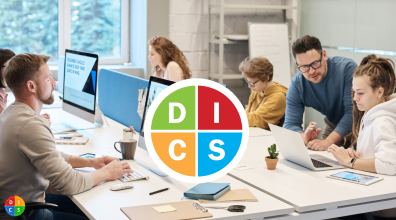
A DISC and motivators assessment reduces guesswork by showing what energizes someone, what drains them, and how that connects to their DISC style.
Deeper Behavioral Insights with DISC Plus
Why Basic DISC Results Are Often Not Enough
DISC Values Assessments Overview
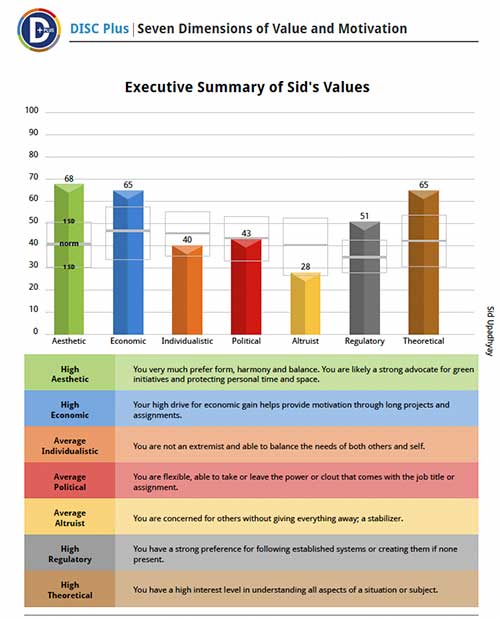
Understanding Values in DISC Plus Profiles
How Values Shape Workplace Behavior
Using DISC Values Assessments for Alignment and Engagement
Benefits of DISC Plus Assessments
DISC Plus assessments support better hiring conversations, clearer leadership development plans, and stronger team collaboration. They offer insight that evolves with the organization rather than becoming a one-time report.
Many organizations reference the DISC Assessment Scoring Guide during feedback sessions to explain results clearly and responsibly.
Why Choose DISC Plus Profiles?
A DISC plus test supports onboarding, coaching, and leadership development without adding administrative friction.
Getting Started with DISC Plus Assessment
Getting started is straightforward. Organizations issue assessments as needed, review reports through dashboards, and apply insights during hiring, coaching, and team development. Clear setup and specialist support help teams begin using data with confidence.
FAQs
What is a DISC Plus assessment?
A DISC Plus assessment combines DISC behavioral styles with values and motivators to explain how people act and what drives their behavior at work.
How is DISC Plus different from a DISC personality test?
DISC Plus expands beyond behavior by adding motivation and values, offering deeper insight than a basic DISC personality test.
What does a DISC Plus profile include?
Who should take a DISC Plus assessment?
How accurate is the DISC Plus test?
The assessments are grounded in established psychometric research and maintained through ongoing validation practices.
What are motivators in DISC Plus assessments?
Can DISC Plus be used for teams and organizations?
Yes. DISC Plus supports team development, leadership programs, and organizational planning across departments.