
IS Style
DISC Assessments | Values Assessments | The How and WHY of personal success
 Rating 4.9/5 by 1200 + Professionals
The IS personality type blends warmth with stability. Using the DISC model in the DISC+Plus Profiles, the blending of influence and stability is designed to look very approachable and loyal. In a working environment, the IS DISC personality type is often the glue that holds teams together, building trust instantly.
For HR leaders and managers using a structured DISC assessment IS framework, understanding this style supports hiring decisions, coaching plans, and team composition. When you review a detailed IS DISC profile, you see more than traits. You see how someone connects, supports, and motivates in real work situations.
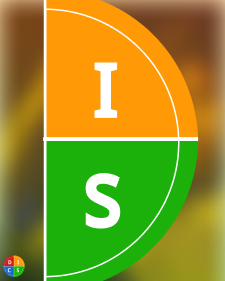
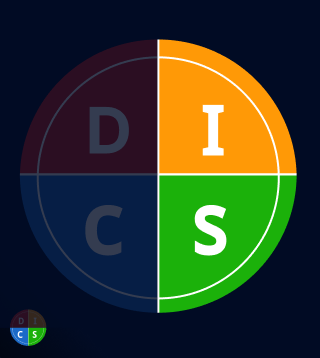
What Do the ‘I’ and the ‘S’ in DISC Mean?
In DISC+Plus terminology:
Interactive (I): Outgoing, persuasive, and enthusiastic. This trait energizes others and promotes open communication.
Stabilizing (S): Consistent, dependable, and calm. They create stable environments and promote reliability.
When these two come together, the result is the DISC IS personality, a style that thrives on positive relationships while maintaining patience and reliability.
Compared to DISC D Styles, which focus on results and directness, or DISC C Styles, which lean toward precision and analysis, the IS blend prioritizes connection and harmony. It shares enthusiasm with DISC I Styles and consistency with DISC S Styles, yet expresses both in a balanced way.
What Is a DISC Style Blend?
A DISC style blend means a person does not fall into a single quadrant. These behavioral tendencies are influenced by two neighboring styles. In this case, DISC IS represents a combination of Influence and Steadiness.
This combination is important in human resource management. An individual with style I may behave quickly and seek visibility, while an individual with style S may prefer order and continuity. The IS style represents a combination of sociability and reliability. That mix often fits roles in team coordination, customer care, HR, training, and relationship management.

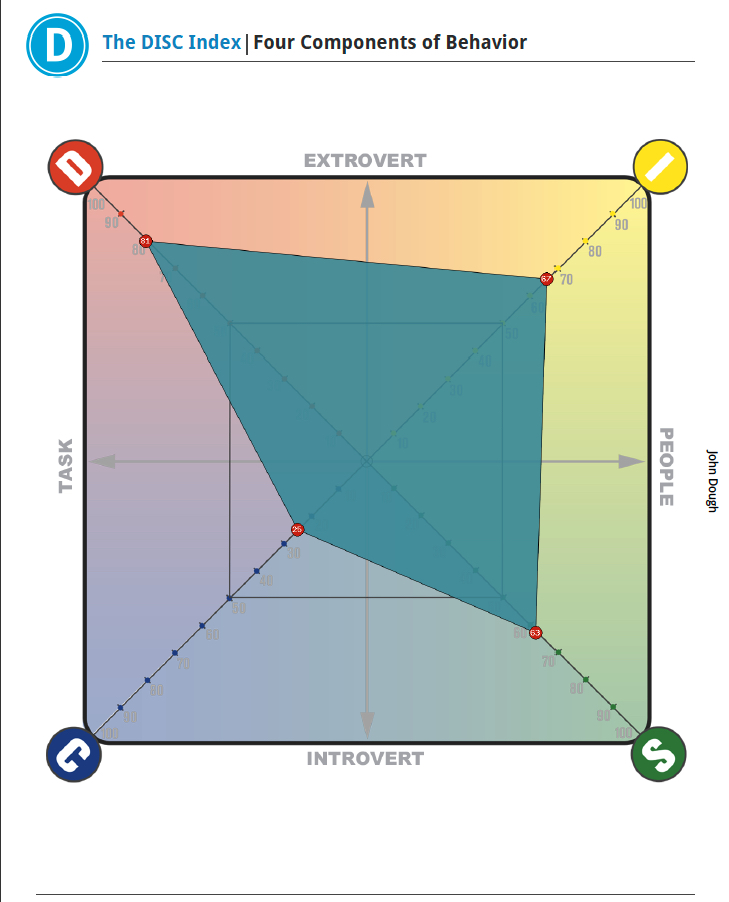
Dot Placement
In a standard DISC graph, the dots’ positions indicate the level of each style. A person who is IS tends to have higher scores on I and S than on D and C.
In a validated IS DISC assessment, you will notice the I and S points above the midline, often near each other, signaling a strong blend rather than dominance of one over the other. This visual clarity in an IS DISC profile helps managers understand behavior patterns without guesswork.
How Do You Get Typed as an IS Style in DISC?
The IS DISC personality comes from consistent responses that indicate:
- Preference for collaboration over confrontation
- Comfort with steady routines combined with social engagement
- Desire to maintain positive group dynamics
DISC IS Style Characteristics
Common Traits
- Warm and approachable
- Loyal and supportive
- Expressive yet calm
- Patient with team members
The IS personality type often reads the room well. They sense emotional shifts and respond thoughtfully.
Motivations
- Being appreciated
- Maintaining strong relationships
- Feeling included in decisions
- Helping others succeed
Priorities
- Team harmony
- Clear communication
- Predictable processes
What They Value
- Trust
- Stability
- Positive work culture
Stressors in the Workplace
- Sudden change without explanation
- Public criticism
- Aggressive communication styles
Working closely with someone operating in a DI Style, who moves quickly and asserts strongly, may create tension if expectations are unclear.
Fears
- Rejection
- Conflict escalation
- Letting others down
How They Influence Others
They influence through encouragement, empathy, and positive reinforcement rather than authority. Unlike an ID style, which pushes ideas forward rapidly, the IS blend builds consensus at a steady pace.
How They Handle Conflict
They often seek compromise. They may avoid direct confrontation unless trust is established. Structured coaching can help them address issues without internalizing stress.
May Need to Work On
- Setting firmer boundaries
- Saying no when overloaded
- Addressing conflict early
These development areas frequently show up in leadership workshops and internal coaching conversations. For HR professionals pursuing DISC training certification, the IS pattern offers concrete examples for guiding managers in providing constructive feedback, setting boundaries, and communicating with teams without eroding trust.

IS-Style Managers
Managers with an IS DISC profile tend to create inclusive environments. They check in regularly, support employee well-being, and maintain morale. Teams often describe them as fair and approachable.
They may hesitate with difficult performance conversations. Leadership development programs grounded in DISC personality styles can help them balance empathy with accountability.
Working Well with DISC IS-Style People
To collaborate effectively:
- Provide context before changes
- Recognize contributions openly
- Avoid abrupt criticism

Communicating with IS Styles
Keep tone respectful and friendly. Share expectations clearly, then allow space for dialogue. The IS style responds well to collaborative language and inclusive decision-making.
When working across blended types, such as an IS interacting with someone high in D, clarify timelines and responsibilities early. This prevents misunderstandings tied to pace differences.
IS Styles in Meetings
In meetings, DISC IS individuals contribute through encouragement and supportive feedback. They may not dominate discussion like strong I profiles, yet they help everyone feel heard.
Managers reviewing a DISC IS personality report can assign facilitation or team liaison roles, tapping into their natural ability to build rapport.
Problem-Solving with IS Styles
IS problem-solving combines people awareness with steady evaluation. They seek solutions that preserve relationships. If conflict is present, they aim to restore stability before pushing for change.
In cross-functional settings, pairing an IS with analytical DISC C Styles can produce balanced decisions that account for both people and detail.
Do IS-Style People Make Good Salespeople?
Yes, especially in consultative or relationship-driven sales. They excel in account management, client retention, and long-term partnerships.
While a high-I salesperson may close quickly, the DISC IS personality builds loyalty over time. In industries where trust drives revenue, that consistency often leads to sustained performance.
Organizations that buy DISC assessment tools often use IS insights to match sales professionals with roles aligned to their interpersonal strengths.
Similar Styles: I and IS
The I Style
Pure I types are energetic and expressive. They move quickly and enjoy visibility. Compared to them, the IS personality type shows more patience and steadiness.
The SI Style
The SI blend leans more toward stability. They are supportive but less outwardly expressive than IS.
Why Use an IS DISC Assessment in Your Organization?
An IS DISC assessment provides clarity for:
- Structured hiring
- Leadership coaching
- Succession planning
- Team design
With DISC+Plus Profiles, organizations receive unlimited assessments under a single subscription, with transparent pricing and specialist support. Many teams evaluating DISC assessment cost appreciate predictable budgeting without sacrificing psychometric rigor.

FAQs
What is an IS personality type?
What is the rarest DISC profile?
Rarity varies by population and norm group. In many corporate samples, high-D blends appear less frequently. Accurate rarity insights depend on validated data from the assessment provider.
What is an IS assessment?
An IS assessment is a behavioral evaluation in which an individual’s results indicate elevated I and S traits. A structured IS DISC assessment report explains observable behaviors, motivators, and communication patterns.
What are the 4 DISC personality styles?
The four core styles are:
- D (Decisive)
- I (Interactive)
- S (Stabilizing)
- C (Cautious)
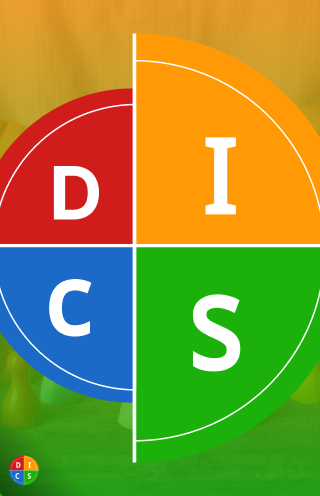
Blends such as DISC IS and DI Style combine adjacent traits.