
SC Style
DISC Assessments | Values Assessments | The How and WHY of personal success
 Rating 4.9/5 by 1200 + Professionals
In many organizations, team success hinges on how well people understand one another’s working patterns. That’s why considering DISC assessments becomes imperative. Within the DISC framework, the SC personality type represents a blend of steadiness and careful analysis. People with this style combine patience with precision. They support teams, keep processes organized, and prefer thoughtful decision-making over rushed action.
The SC DISC personality sits between the Stabilizing (S) and Cautious (C) quadrants. This position attracts individuals who value harmony in relationships and also appreciate structure, accuracy, and clear expectations.
When organizations examine a DISC profile SC, they often find someone who brings consistency to teams while quietly maintaining high standards. When used correctly, the SC DISC profile reveals insights that help managers guide people toward roles where they can contribute most effectively.
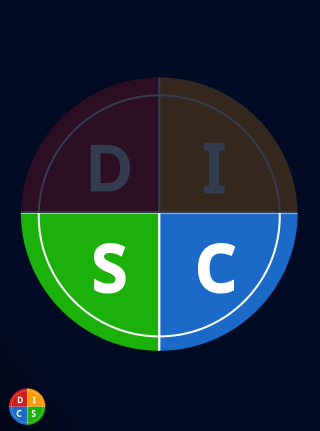
What do the “S” and the “C” in DISC mean?
The DISC model outlines four core behavior patterns known as DISC personality styles:
- DISC D Styles – decisive, results-oriented, and comfortable with challenge
- DISC I Styles – expressive, persuasive, and relationship-focused
- DISC S Styles – patient, dependable, and supportive
- DISC C Styles – analytical, structured, and focused on accuracy
Within this system, the S dimension represents steadiness. People in this quadrant contribute reliability, cooperation, and calm decision-making.
The C dimension represents cautiousness. Individuals with this orientation prefer logical reasoning, organized processes, and measurable standards.
The DISC SC personality blends both traits. These individuals appreciate stability and teamwork while also paying close attention to detail. When organizations analyze a DISC assessment SC, the pattern often reveals someone who values clear systems and respectful collaboration.
What is a DISC style blend?
Few people express only one dimension of the DISC model. Most display a mix of two adjacent tendencies. These combinations are called style blends.
The SC style sits between S and C on the DISC map. That position reflects someone who balances people-focused cooperation with thoughtful analysis.
Other blends exist as well. Examples include:
- DI Style – decisive and persuasive
- IS Style – social and relationship-focused
- CS style – analytical yet supportive
- ID style – energetic and assertive
Understanding these blends helps organizations interpret a DISC profile SC more accurately. It also explains why behavior varies even among people within the same quadrant.
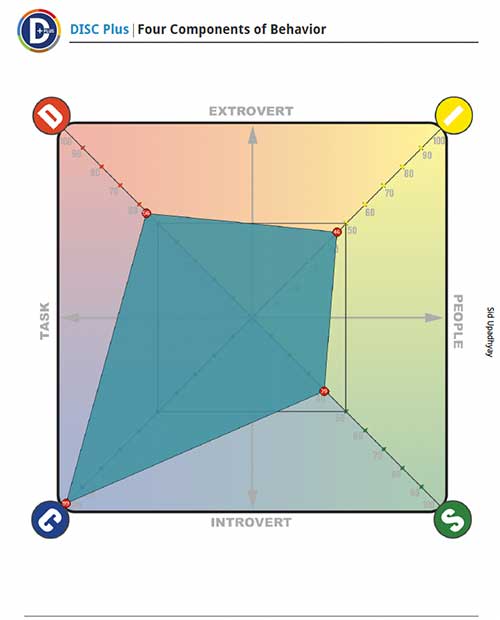
Dot placement
In a DISC SC personality pattern, the primary dot appears between the S and C quadrants. This placement indicates a preference for steady collaboration paired with analytical thinking.
Someone whose dot lies closer to S may lean more toward supportive teamwork. A dot closer to C signals a stronger focus on structure and accuracy. Reviewing this visual data during an SC DISC assessment enables coaches and HR professionals to explain behavior patterns clearly.
How do you get typed as an SC style in DISC?
The SC personality type emerges through responses to a behavioral questionnaire. A formal DISC SC assessment evaluates how individuals respond to statements related to communication, decision-making, and work preferences.
If the results show strong tendencies toward both steadiness and cautiousness, the assessment categorizes the individual as a DISC SC personality.
This classification becomes part of the person’s DISC profile SC, which may also include insights about motivators and cognitive strengths depending on the assessment model used.
Organizations often pair these results with coaching or DISC training certification programs so leaders can interpret and apply the data effectively.

DISC SC style characteristics
Common Traits
People with an SC DISC style tend to show:
- Thoughtful and measured communication
- Dependable follow-through
- Attention to detail
- Strong listening skills
- Preference for organized processes
Motivations
The SC personality thrives in a workplace that is stable, clear, and conducive to a sense of respect and cooperation. Recognition of continuous performance is a motivating factor for the SC personality.
Priorities
Typical priorities include:
- Maintaining accuracy and consistency
- Supporting colleagues
- Completing work carefully
- Building trust within teams
What They Value
The SC personality type values reliability, professionalism, and cooperation. They often prefer predictable systems and structured responsibilities.
Stressors in the Workplace
The SC personality may feel stressed when expectations are unclear, the workplace lacks organization, or decisions must be made too quickly. These conditions make it difficult for this style to perform at its best.
Fears
Many individuals with the DISC SC personality worry about making mistakes or letting others down. They prefer time to review information before committing to decisions.
How They Influence Others
Influence from the SC DISC personality usually comes through reliability and thoughtful advice rather than assertive persuasion.
How They Handle Conflict
People with the SC DISC style often aim to resolve disagreements through diplomacy. They may rely on facts and calm discussion rather than confrontation.
Organizations that plan to buy DISC assessment tools often begin by learning how these blended styles operate in the workplace.
May Need to Work On
Growth areas often include:
- Expressing opinions more directly
- Acting more quickly in urgent situations
- Accepting imperfect solutions when speed matters

SC-Style managers
These leaders prefer planning over sudden change. Their careful approach can build trust, though they may need encouragement to make faster decisions when circumstances demand it.
When interpreting a DISC SC assessment, organizations often find that SC-style managers excel in roles involving process management, operations oversight, and team development.
Working well with DISC SC-style people
Communicating with SC styles
SC styles in meetings
In meetings, people with the SC DISC style may listen carefully before speaking. Their comments often focus on practicality and long-term stability.
Problem-solving with SC styles
When solving problems, DISC SC individuals often examine details and consider the impact on people and processes. Their approach tends to produce sustainable solutions rather than rushed ones.
Many HR teams explore the DISC assessment cost compared with the value of improved communication and role alignment.
Do SC-style people make good salespeople?
The SC personality type can succeed in sales roles that emphasize relationships and trust. Account management, client success, and consultative selling environments suit them particularly well.
High-pressure sales environments that reward aggressive competition may feel uncomfortable for some SC individuals. Yet in industries where reliability and product knowledge matter, the SC DISC personality can build strong client loyalty.
Similar styles: CS and S
The CS style
The CS style emphasizes cautious analysis more than the SC style. People with this style are accurate and structured while still supporting collaboration.
The S style
Individuals with the S orientation emphasize stability and cooperation. Compared with SC, the S style shows less focus on detailed analysis and more emphasis on team harmony.
Other styles
Understanding the DISC SC personality is easier than with other blends, such as DI Style, IS Style, or the analytical CS style. Each pattern contributes different strengths to teams.
Organizations that want deeper insight into these patterns often implement structured DISC tools across hiring, onboarding, and leadership development. A well-designed SC DISC assessment provides more than labels; it offers practical guidance that teams can apply every day.
FAQ’s
What is a SC personality type?
The SC personality type represents a DISC style blend combining steadiness and cautiousness. Individuals with this pattern tend to be dependable, analytical, and supportive.
What is the rarest DISC profile?
Rare profiles vary by population, though combinations strongly dominated by one dimension often appear less frequently than balanced blends.
What is an SC assessment?
An SC DISC assessment identifies whether someone demonstrates strong S and C behavioral tendencies within the DISC model.
What are the 4 DISC personality styles?
The four primary DISC personality styles are Decisive (D), Interactive (I), Stabilizing (S), and Cautious (C). These form the foundation of the DISC model used in workplace behavioral assessments.
What is an SC profile?
An SC DISC profile shows that a person demonstrates both stabilizing and analytical behavioral traits.
How does the SC DISC personality behave in the workplace?
The SC DISC personality usually works carefully, supports colleagues, and values accuracy and consistency in processes.
What careers are suitable for an SC personality type?
Operations management, quality assurance, HR coordination, compliance, project management, and technical support often match the strengths of the SC personality type.
How can you identify an SC DISC style in a DISC assessment?
A DISC assessment SC identifies this blend through dot placement between the S and C quadrants, combined with behavioral patterns showing steadiness and analytical thinking.