
DC style
DISC Assessments | Values Assessments | The How and WHY of personal success
 Rating 4.9/5 by 1200 + Professionals
The DC personality type blends Decisive and Cautious tendencies. It brings together a strong drive for results with a careful, analytical approach to achieving them. People with this pattern tend to move quickly, but not without checking the details. They want control, accuracy, and outcomes that hold up under scrutiny.
Within the broader DISC personality styles, the DC DISC personality is often recognized for its ability to challenge ideas, question assumptions, and move initiatives forward with clarity. Leaders and HR professionals frequently rely on insights from a DC DISC assessment to understand how these individuals think, decide, and interact under pressure.

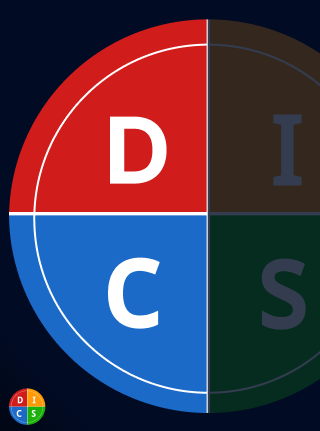
What do the D and the C in DISC mean?
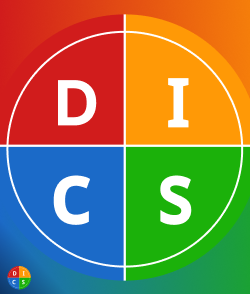
In the DISC model:
- D – Decisive: Focused on outcomes, direct in communication, comfortable taking charge
- C – Cautious: Detail-oriented, analytical, guided by logic and standards
When these combine, the DISC DC personality becomes both assertive and exacting. The DC DISC style does not act without thinking, and it does not analyze without moving forward.
What is a DISC style blend?
A DISC blend reflects how two behavioral drivers operate together. The DISC DC blend connects speed with accuracy.
This combination is often seen in roles that demand independent judgment and technical depth. A DC DISC profile provides insight into how someone handles pressure, evaluates risk, and makes decisions. Many teams rely on a DISC assessment to place individuals in roles that require both accountability and precision.
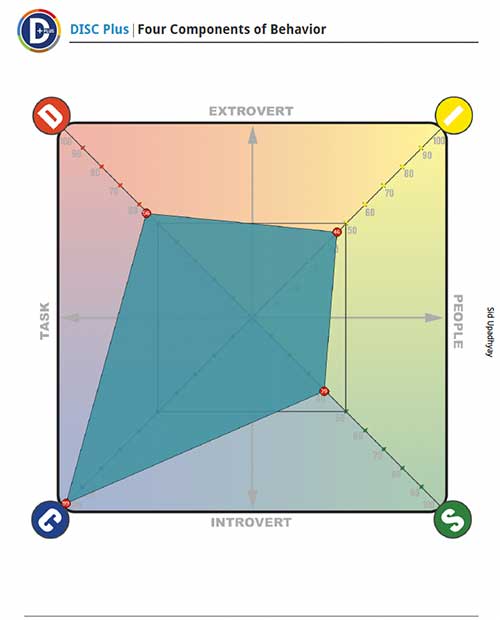
Dot placement
In DISC graphs, a DISC DC personality typically shows:
- High Decisive (D)
- High Cautious (C)
- Lower Interactive (I) and Stabilizing (S)
This pattern points to someone who prefers control, logic, and structured execution over social engagement. The DISC profile DC often reflects a person who is focused more on tasks than on group harmony.
How do you get typed as a DC style in DISC?
A person is identified as a DC personality when both Decisive and Cautious traits score strongly in a DC DISC assessment.
Organizations that buy the DISC assessment use this classification to better understand leadership potential, decision-making patterns, and role alignment. A DISC assessment DC result shows how someone balances speed with precision in real situations, approaches challenges, processes information, and leads others.

DISC DC Style Characteristics
Common Traits
- Direct and outcome-focused
- Analytical and questioning
- Independent in thinking
- High standards for quality
The DC personality type is known for questioning weak logic and pushing for measurable outcomes.
Motivations
- Solving complex problems
- Achieving efficient results
- Maintaining control over outcomes
Priorities
- Accuracy
- Competence
- Productivity
What They Value
- Expertise
- Clear logic
- Structured processes
Stressors in the Workplace
- Lack of structure
- Inefficiency
- Emotional decision-making
Fears
- Being wrong
- Losing control
- Appearing incompetent
How They Influence Others
The DC DISC personality influences through reasoning and authority. Instead of relying on enthusiasm, they focus on facts, logic, and clear direction. Within a DISC DC dynamic, this often raises the standard of thinking across a team.
How They Handle Conflict
The DC DISC style addresses conflict head-on. They focus on resolving the issue quickly and logically. Emotional discussions may feel unproductive to them, which can sometimes come across as blunt and create tension with more people-oriented styles.
May Need to Work On
- Adjusting tone in communication
- Slowing down when others need time to process
- Recognizing emotional context in team interactions
Even when identified through a DC DISC assessment, development in these areas strengthens leadership effectiveness.

DC-Style Managers
Managers with a DISC DC personality set clear expectations and expect results backed by quality, accountability, and clarity.
Strengths:
- Decisive leadership
- Strong analytical thinking
- High accountability
Challenges:
- Can appear overly critical
- May overlook team sentiment
Programs tied to DISC training certification often support these leaders in building a stronger communication balance.
Working Well with DISC DC-Style People
Communicating with DC Styles
- Provide data and evidence
- Keep it direct and structured
- Avoid unnecessary detail
DC Styles in Meetings
- Come prepared
- Stay focused on objectives
- Expect critical questions
Problem-Solving with DC Styles
- Present logical solutions
- Highlight efficiency gains
- Be ready to defend your reasoning
Understanding the DC DISC profile helps teams collaborate without friction and work more effectively with this style.
Do DC-Style People Make Good Salespeople?
Yes, they perform well in environments where expertise matters.
The DC personality type excels in:
- Technical sales
- B2B consulting
- Complex negotiations
They may struggle in roles that require high emotional engagement or relationship-building without substance. Compared to DISC I Styles or the IS Style, they rely more on logic than charm.
Similar Styles: D and CD
The D Style
DISC D Styles are more focused on speed and control, with less attention to detail than the DC style.
The CD Style
The CS style and CD blend lean more toward cautiousness and detail-heavy. Compared to this, the DC DISC personality remains more assertive and action-driven.
Other styles
I Styles
The DISC I Styles are expressive and people-focused, unlike the reserved and analytical DISC DC personality.
S Styles
The DISC S Styles prioritize consistency and support, which may contrast with the intensity or the demanding nature of the DC DISC style.
C styles
The DISC C Styles share the analytical focus but lack the assertiveness of the DC personality.
Other blends, like the DI Style, ID Style, or CS Style, introduce different balances between people-focused and structure, compared to the analytical nature of the DC personality.
For organizations evaluating DISC assessment cost, the value often lies in insights that are clear, actionable, and grounded in real workplace behavior.
FAQ’s
What is a DC personality type?
The DC personality type combines Decisive and Cautious traits, resulting in a driven, analytical, and structured individual.
What is the rarest DISC profile?
Less common blends like the DISC DC personality appear less frequently than single-style profiles.
What is a DC assessment?
A DC DISC assessment identifies individuals who score high in both Decisive and Cautious traits.
What are the 4 DISC personality styles?
Decisive, Interactive, Stabilizing, and Cautious form the four DISC personality styles.
What is a DC profile?
A DC DISC profile outlines how a person behaves, communicates, and makes decisions.
How does the DC DISC personality behave in the workplace?
The DC DISC personality is focused, analytical, and results-driven, often taking charge in complex or high-pressure situations.
What careers are suitable for a DC personality type?
Roles in engineering, finance, operations, law, and strategic leadership align well with the DC personality type.
How do you identify a DC DISC style in a DISC assessment?
A DISC assessment DC shows high Decisive and Cautious scores, reflected in both graph placement and behavioral insights.