
SI Style
DISC Assessments | Values Assessments | The How and WHY of personal success
 Rating 4.9/5 by 1200 + Professionals
The SI personality type reflects a blend of steadiness and influence within the DISC framework. Individuals with this pattern tend to be supportive, people-oriented, and consistent in how they show up at work. They often act as the social anchor within teams, keeping communication open while maintaining stability.
For HR leaders and practitioners using a SI DISC assessment, this style offers a clear view into how individuals build trust, collaborate, and contribute to team cohesion. The SI DISC personality is often associated with roles where relationships and consistency matter just as much as performance.
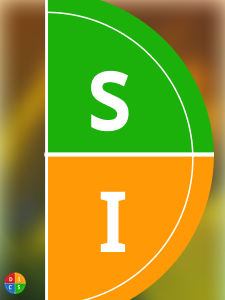
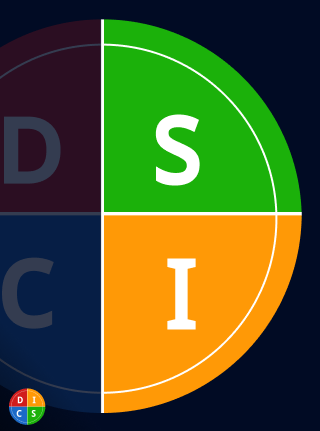
What do the ‘S’ and the ‘I’ in DISC mean?
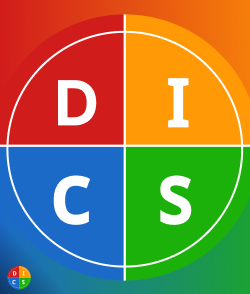
Before understanding the blend, it helps to look at each DISC dimension individually. Within DISC personality styles, each letter represents a distinct behavioral pattern:
D – Decisive: Focused on results, quick to act, and comfortable taking charge. It can come across as direct or forceful when driving outcomes.
I – Interactive: Outgoing, expressive, and energized by people. Thrives on recognition, collaboration, and positive engagement.
S – Stabilizing: Steady, dependable, and supportive. Brings patience and consistency, helping teams stay grounded and cooperative.
C – Cautious: Detail-oriented, analytical, and systematic. Prioritizes accuracy, structure, and well-informed decisions.
When S and I come together, the DISC SI personality combines warmth with reliability. This creates individuals who are approachable yet steady in their behavior.
What is a DISC style blend?
Most individuals are not defined by a single trait. Instead, they show a combination of behavioral tendencies. The SI DISC style reflects high steadiness paired with strong influence.
This creates a balance that differs from more task-focused profiles like a DC DISC profile, or high-energy persuasive types such as DISC I Styles. The SI DISC personality leans toward people-first interactions while maintaining consistency in execution.
Dot placement
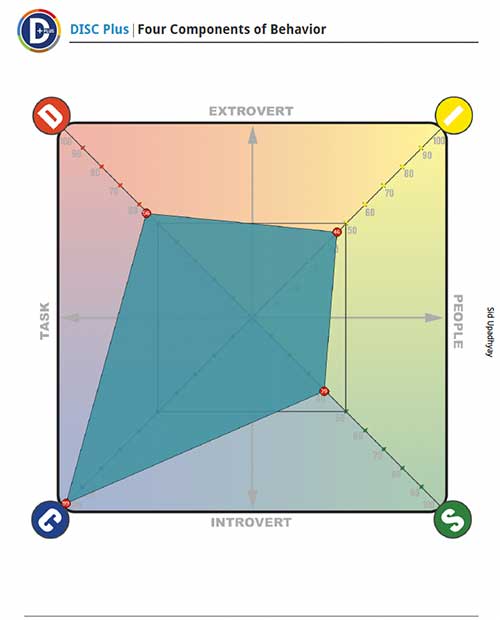
In a standard DISC assessment SI graph, the SI pattern is typically shown through:
- High S and I above the midline
- Lower D
- Moderate to lower C
This positioning helps interpret how the individual balances relationships, pace, and communication preferences.
How do you get typed as an SI style in DISC?
An individual is categorized as an SI personality when their responses consistently reflect both steadiness and influence traits. A SI DISC assessment evaluates communication tendencies, reactions to pressure, and interpersonal preferences.
Unlike a DC DISC profile, which emphasizes logic and control, SI types are guided more by connection, support, and team harmony.
Organizations that plan to buy DISC assessment tools often start by understanding how each style is identified and interpreted in real scenarios.

DISC SI style characteristics
Common Traits
- Friendly and approachable
- Cooperative and team-focused
- Patient and dependable
- Strong listeners
Motivations
- Positive relationships
- Recognition and appreciation
- A stable team environment
Priorities
- Maintaining harmony
- Clear and respectful communication
- Building trust
What They Value
- Collaboration
- Consistency
- Strong interpersonal dynamics
Stressors in the Workplace
- Conflict-heavy environments
- Sudden, unexplained change
- Lack of acknowledgment
Fears
- Rejection or disapproval
- Disrupting group harmony
- Being overlooked
How They Influence Others
The DISC SI individual influences through encouragement, empathy, and trust-building rather than authority.
How They Handle Conflict
The DISC SI individual influences through encouragement, empathy, and trust-building rather than authority.
May Need to Work On
- Speaking up under pressure
- Setting boundaries
- Making quick decisions

SI-Style managers
Leaders with a DISC profile SI focus on people and consistency. Their management style includes:
- Encouraging participation
- Supporting team members
- Maintaining a stable work environment
Compared to a DI Style, which drives results aggressively, SI managers take a more balanced, people-centered approach.
Working well with DISC SI-style people
A clear grasp of the SI style helps teams communicate more effectively and avoid common misunderstandings in collaborative environments.
Communicating with SI styles
Use a respectful and personable tone. The SI DISC personality responds well when communication feels genuine and inclusive.
SI styles in meetings
They contribute thoughtfully and prefer structured, collaborative discussions.
Problem-solving with SI styles
They work best when included early and given space to share perspectives.
Leaders who go through DISC training certification are typically better equipped to recognize SI tendencies and apply them in team management.
Do SI-style people make good salespeople?
Yes, especially in roles where relationships matter. While they may not match the intensity of an ID style, SI individuals excel in trust-based selling and long-term client relationships.
Their strength lies in consistency, follow-through, and building credibility over time. This aligns well with environments that value retention over short-term wins.
Similar styles: I and IS
The S style
Steady and dependable, though less outwardly expressive than the SI personality type.
The IS style
The IS Style leans more toward influence and often appears more outgoing than the typical SI.
Other styles
D styles
DISC D Styles are more direct and results-driven, contrasting with the relationship-focused DISC SI personality.
I styles
Energetic and persuasive, sharing social traits with SI but often less consistent.
C styles
DISC C Styles are more structured and analytical in nature. The CS style combines caution with steadiness, creating a more reserved counterpart to SI.
Organizations adopting DISC at scale are moving away from per-report pricing. Instead of managing DISC assessment cost for each profile, many now prefer models that allow unrestricted access. This makes it easier to apply insights like DISC SI across hiring, onboarding, and leadership development.
FAQ’s
What is a SI personality type?
The SI personality type blends Stabilizing and Interactive traits. It describes individuals who are steady, reliable, and supportive, while also being expressive, people-oriented, and motivated by positive interaction and recognition.
What is the rarest DISC profile?
Less common combinations often involve opposing traits, though distribution varies by group.
What is an SI assessment?
A SI DISC assessment measures how an individual expresses steadiness and influence in behavior and communication.
What are the 4 DISC personality styles?
The four types of DISC personality styles are DISC D Styles, DISC I Styles, DISC S Styles, and DISC C Styles.
What is an SI profile?
A DISC SI personality profile explains how someone blends relationship focus with consistency.
How does the SI DISC personality behave in the workplace?
The SI DISC personality supports collaboration, maintains stability, and builds strong team relationships.
What careers are suitable for an SI personality type?
HR, coaching, customer success, training, and team leadership roles suit the SI personality type.
How can you identify a SI DISC style in a DISC assessment?
Look for high S and I scores in a DISC assessment SI, along with behavioral indicators tied to teamwork and communication.