
You know that person on your team who sends a follow-up email after the meeting to clarify what was actually decided? The one who asks three more questions before committing to a timeline? The one who, frustratingly, is almost always right when they do? That’s probably a high C individual.
If you’ve worked with someone like this, or you just saw your own DISC results and felt a little called out, this post is for you. We’re going to get into what a high C personality actually is, why they operate the way they do, and what it looks like to work with one well instead of constantly bumping heads.
What Is a High C Personality?
-
Defining the High C Personality Type
So, what is a high C personality? At its core, it’s someone who is wired for accuracy. Not just “pretty good” accuracy, real, verifiable, double-checked accuracy. Cutting corners doesn’t sit well with them, not out of stubbornness; just a genuine belief that doing something right is worth the extra time.
They tend to be analytical, systematic, and fairly reserved. The kind of person who thinks through five possible outcomes before they say anything out loud.
-
Where High C Fits in DISC Personality Styles
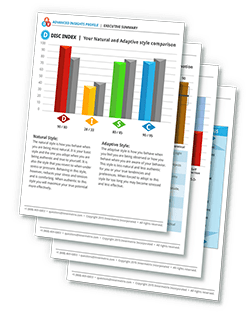
The DISC Personality Styles are made up of four quadrants: Decisive, Interactive, Stabilizing, and Cautious. Most people sit somewhere between a few of these, but one usually dominates.
The high C falls under Cautious. Of the four styles, it’s the most intellectually driven, focused on process, accuracy, and verification more than speed, relationships, or big-picture vision.
Core Traits of a High C Personality
Emotional and Behavioral Tendencies
High C’s tend to be private people. Not cold, just private. They’re not going to tell you how they feel before they’ve had a chance to think it through. Emotional expression in a work context tends to feel uncomfortable to them. They observe before they speak, think before they react, and when they do say something, it’s already been considered from several angles.
There’s also the perfectionism. High C’s hold themselves to high standards and genuinely notice small mistakes, the kind most people wave away. When compared with DiSC D Styles, both C’s and D’s care about results, but a D pushes toward the finish line fast, while a high C slows down to check that the details are actually right.
Decision-Making Style
A high C doesn’t decide quickly, and they don’t apologize for it. Before committing to something, they want data, context, and an honest look at what could go wrong. Unlike high I’s, gut instinct isn’t really their thing.
They’re skeptical of people who lean on gut over evidence. But give them the information they need and the time to work through it, and they’ll arrive at something desirable to everyone.
What Motivates a High C Personality?
Quality motivates them. Clarity motivates them. Being in an environment where getting it right is actually valued, not just in theory, motivates them.
High C’s do their best work when expectations are clear, processes are defined, and they have enough independence to solve problems their own way. Recognition matters too, but not the shout-from-the-rooftops kind.
A genuine, specific acknowledgment means far more than applause in a team meeting. That’s different from DISC I Styles, who tend to light up with public recognition and group energy.
What High C Personalities Dislike
- Being rushed into decisions before they’ve had time to think
- Vague instructions or unclear expectations
- Last-minute changes without explanation
- “We’ll figure it out as we go” as a working philosophy
- Environments where speed is always valued over accuracy
Ambiguity makes them uncomfortable in a way that’s hard to understand. When the path isn’t clear, they don’t just feel uncertain. They feel stuck.
Strengths of the High C DISC Profile
Here’s what high C’s bring that’s genuinely hard to replace: they notice things, catch things missed by others. The mistake buried on page four, the assumption nobody questioned, the step that got skipped, a high C will find it.
They’re also quietly reliable, similar to DISC S Styles in some ways. S’s bring harmony; high C’s bring rigor and consistency. Neither needs the spotlight. They just want to do good work. And they usually do.
Potential Weaknesses of High C Personalities
High C’s can get stuck. The same thoroughness that makes them accurate can make decision-making painfully slow. They can get caught chasing a level of certainty that isn’t always available.
They can also be quietly critical, of themselves mostly, but also of processes or work that doesn’t meet their standards. Because this rarely surfaces out loud, frustration can build without anyone around them realizing it.
High C Communication Style Explained
Think precise, deliberate, and a little careful. High C’s choose their words with intention and prefer things in writing over casual talk.
When you ask them a question, expect a pause, not an awkward one, just real. Because they’re actually thinking. They also don’t have the patience for vagueness or big, overblown claims. Hype usually makes them suspicious. But specificity earns their trust.
Best Ways to Communicate with a High C
- Be specific and back up your points with data or reasoning
- Don’t oversell because they’ll notice, and it quietly undermines your credibility
- Give them time to respond before expecting an answer
- If you ask for their honest opinion, be ready to hear it, because they will give it to you
High C Personality in the Workplace
At work, the high C is often the person writing the thorough briefs, questioning the optimistic timeline, and quietly fixing things nobody else noticed. They thrive in roles that reward expertise and precision. Like research, data analysis, engineering, finance, compliance, or quality assurance.
They may struggle in roles requiring constant, quick decisions or heavy emotional openness. DiSC C Styles are less expressive than others and rarely the loudest in the room, but they’re usually the most prepared. Open offices with noise and constant interruption aren’t their natural habitat.
H2: Tips for Managing and Working with High C Individuals
- Be clear upfront. Spell out expectations and standards at the start
- Give them what they need, then step back. Micromanaging a high C is both unnecessary and insulting
- Don’t rush the decision. If the timeline allows thinking time, let them use it
- Feedback should be direct and specific. They can handle criticism, but just make sure it’s based on something real
- Skip the vague praise. “Great job” without context means little to them; tell them specifically what worked and why
How to Identify a High C Using DISC Assessment
The most reliable method is a proper DISC assessment, but in real life, look for someone who asks a lot of clarifying questions, takes detailed notes, doesn’t commit until they’ve thought it through, and tends to be quieter in groups. The person who consistently cares more about accuracy than speed has a high probability of being a DISC C personality.
Conclusion: Why Understanding High C Personality Matters
Understanding the high C in your life changes things: how you communicate, how you assign work, and how you give feedback. High C’s aren’t slow because they’re disengaged. They’re not reserved because they’re unfriendly. They push back because they actually care whether something is right.
Teams that learn to work with high C personalities, instead of around them, tend to produce better work. In a world where details matter more than people admit, that’s worth something.
Ready to understand your team on a deeper level? Knowing your high C’s and every other personality style on your team changes how you lead, communicate, and build trust. A DISC assessment through DISC Plus Profiles gives you that clarity fast.
Book a free Business Discovery Session today at discplusprofiles.com or call (865) 896-3472 and start building a team that actually works together.
FAQs
What are the main traits of a High C personality?
The main traits of a High C personality include analytical thinking, high personal standards, reserved communication, a preference for structure, and a tendency toward perfectionism.
What motivates a High C personality type?
A High C personality type is motivated by doing quality work in a clear, structured environment. Specific recognition for their precision matters more than public praise.
What are the weaknesses of a High C personality?
The weaknesses of a High C personality include over-analysis, slow decision-making, difficulty with ambiguity, and a tendency toward self-criticism.
How does a High C communicate?
A High C communicates carefully and precisely. They prefer written formats, take time before responding, and want substance over emotional appeals.
What jobs are best for High C personalities?
Jobs best for High C personalities include research, data analysis, engineering, finance, compliance, and quality assurance, anywhere accuracy and depth are genuinely valued.
How does High C differ from other DISC styles?
Unlike D styles (results-focused), I styles (relationship-driven), or S styles (harmony-focused), the High C prioritizes logic and correctness above speed or consensus.
How do you manage a High C employee effectively?
To manage a High C employee effectively:
- Set clear expectations from day one
- Provide enough information for them to work confidently
- Avoid micromanaging
- Give direct, evidence-based feedback
- Allow adequate decision time when possible
- Recognize their work specifically, not generically